Physiological Changes of the Skin in Winter
Cold and dry air reduce the activity of sebaceous glands, resulting in decreased sebum production. This leads to disruption of the lipid layer and weakening of the natural protective barrier. Consequently, the skin becomes more prone to cracks, redness, and itching. Individuals with atopic dermatitis, rosacea, or seborrheic dermatitis may experience worsening of their conditions during winter.
Principles of Winter Skin Care
-
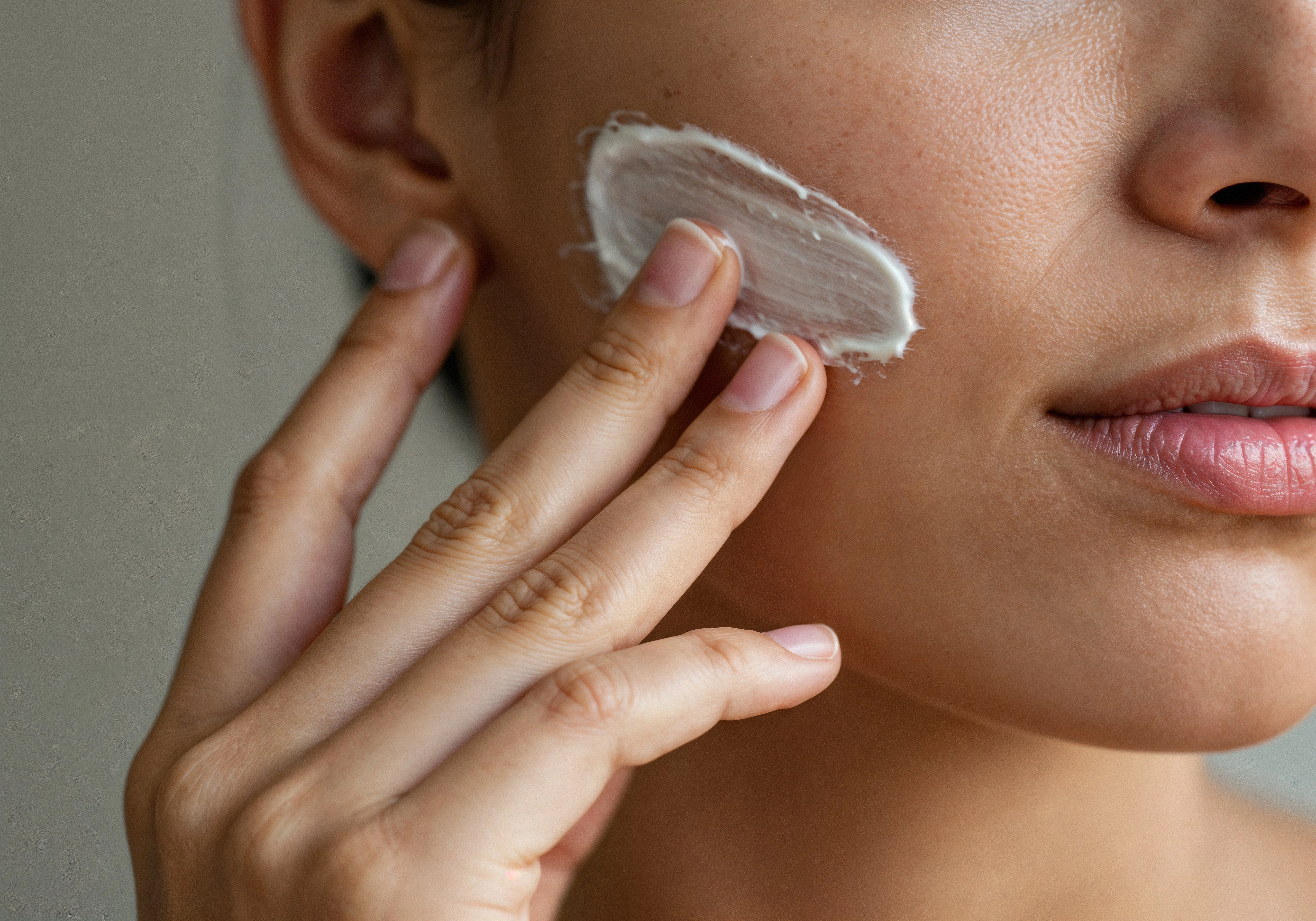
Hydration and barrier restoration: Use emollients containing ceramides, glycerol, urea, or hyaluronic acid. Thicker products, such as petroleum jelly or shea butter, help reduce transepidermal water loss.
-
Gentle cleansing: Use syndet cleansers with physiological pH. Avoid hot water and alcohol-based tonics.
-
Protection from UV radiation: Even in winter, the skin is exposed to UV rays, especially during mountain trips or on snow, which can reflect up to 80% of UV radiation. Daily use of SPF 30 or higher is recommended.
-
Internal hydration and nutrition: Ensure adequate fluid intake and consume foods rich in omega-3 fatty acids (e.g., marine fish, flaxseed) to support skin barrier regeneration.
-
Protection for lips and hands: These areas are particularly prone to damage. Regular use of lip balms, barrier creams for hands, and wearing gloves in cold weather is recommended.
Recommendations for Specific Skin Types
-
Dry skin: Requires richer textures with a high content of lipids and ceramides.
-
Oily skin: Prefer lighter, non-comedogenic moisturizers containing niacinamide or hyaluronic acid.
-
Sensitive skin: Use products without fragrance or alcohol, with soothing ingredients such as panthenol, allantoin, or thermal water.
Key Takeaways
Proper winter skin care is essential for maintaining skin integrity and preventing dermatological issues. The key steps are regular hydration, restoration of the skin barrier, and protection against extreme conditions. If dryness, cracks, or inflammatory changes persist, consulting a dermatologist is recommended.

